
A New Non-Invasive Brain Rehabilitation Option: How Can This Device Help with Various Neurological Conditions?
- winni
- March 03, 2026
- 293
- 0
- 0
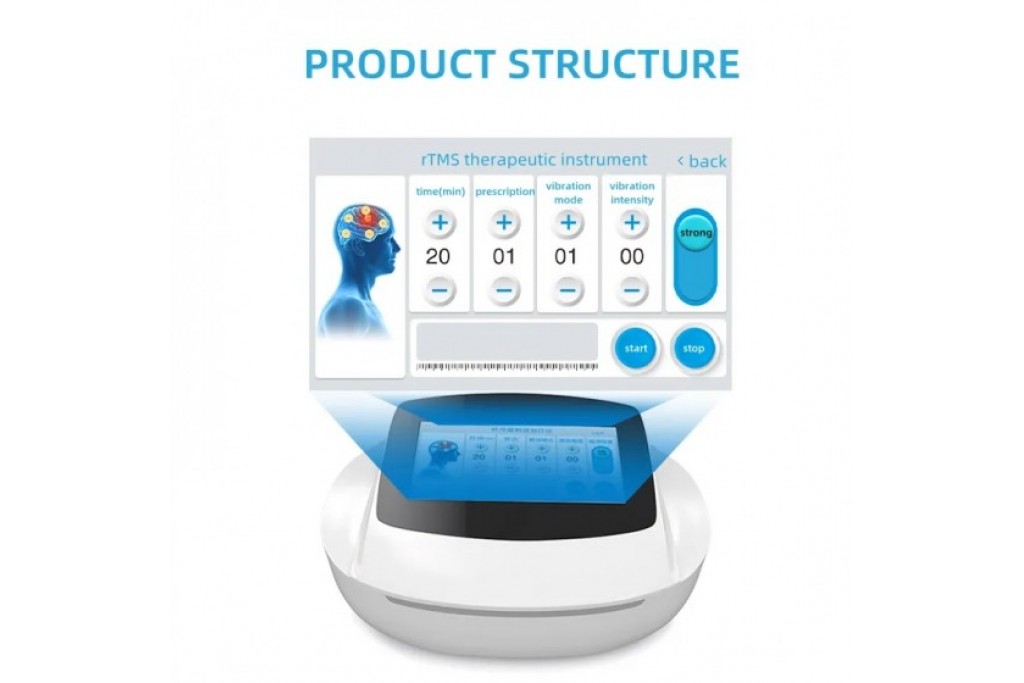
In the field of modern medical rehabilitation, transcranial magnetic stimulation technology is becoming an important tool for treating neurological disorders. Today, we introduce a professional device based on this technology, offering a non-invasive complementary treatment option for a range of brain-related conditions.
Who Can Benefit from It?
Based on its clinical parameters, this device can be used in the rehabilitation of the following neurological disorders and symptoms:
Childhood and Developmental Disorders
Cerebral palsy in children
Tourette syndrome
Hyperactivity disorder
Severe autism in children
Mental and Psychological Disorders
Depression
Neuroses
Schizophrenia
Mental disorders
Insomnia
Cerebrovascular and Neurodegenerative Diseases
Brain atrophy
Stroke rehabilitation
Cerebral arteriosclerosis
Lacunar encephalopathy rehabilitation
Parkinson's disease
Alzheimer's disease
Other Neurological Symptoms
Brain fatigue syndrome
Memory loss
Nerve headaches (tension-type headaches / neuralgia)
High blood pressure
Postoperative rehabilitation / Traumatic brain injury
Personalized Treatment Parameters
The device offers adjustable parameters tailored to different conditions:
Treatment Duration: Mostly 20-30 minutes per session
Magnetic Intensity: Adjustable between weak and strong, depending on the condition
Frequency Range: Includes various vibration frequency combinations like 1-3, 3-5, 5-9
Specific Prescriptions: Some conditions have designated prescription numbers for precise treatment protocols
Precise Treatment Points
The device features 7 key treatment areas, which correlate with both modern neuroanatomy and traditional meridian theory:
Crown of the head (Vertex)
Bilateral temporal regions (Temples)
Forehead area
Bilateral mastoid process (behind the ears)
Specific points behind the ears
Bilateral suboccipital areas (Back of the neck)
Midline nape area (Base of the skull)
These points are considered crucial for regulating brain function, improving cerebral blood circulation, and alleviating symptoms of nervous system disorders.
Technical Advantages
Non-invasive: No needles or surgery required; pain-free
Precise Targeting: Can stimulate specific brain regions
Adjustable Parameters: Flexible settings for different conditions and individual needs
Integrative Approach: Combines modern neuroscience with principles of meridian theory
Conclusion
For patients, families, or rehabilitation therapists seeking complementary rehabilitation options for neurological conditions, this type of transcranial magnetic stimulation device presents a noteworthy option. Of course, any treatment should be conducted under the guidance of a medical professional, with a personalized plan based on the specific condition.
Disclaimer:This article is for informational purposes only and does not constitute medical advice. For health concerns, please consult a qualified physician.